

Coastal Tanzania
Guided experienceBagamoyo Historical Tour & Kaole Ruins Exploration
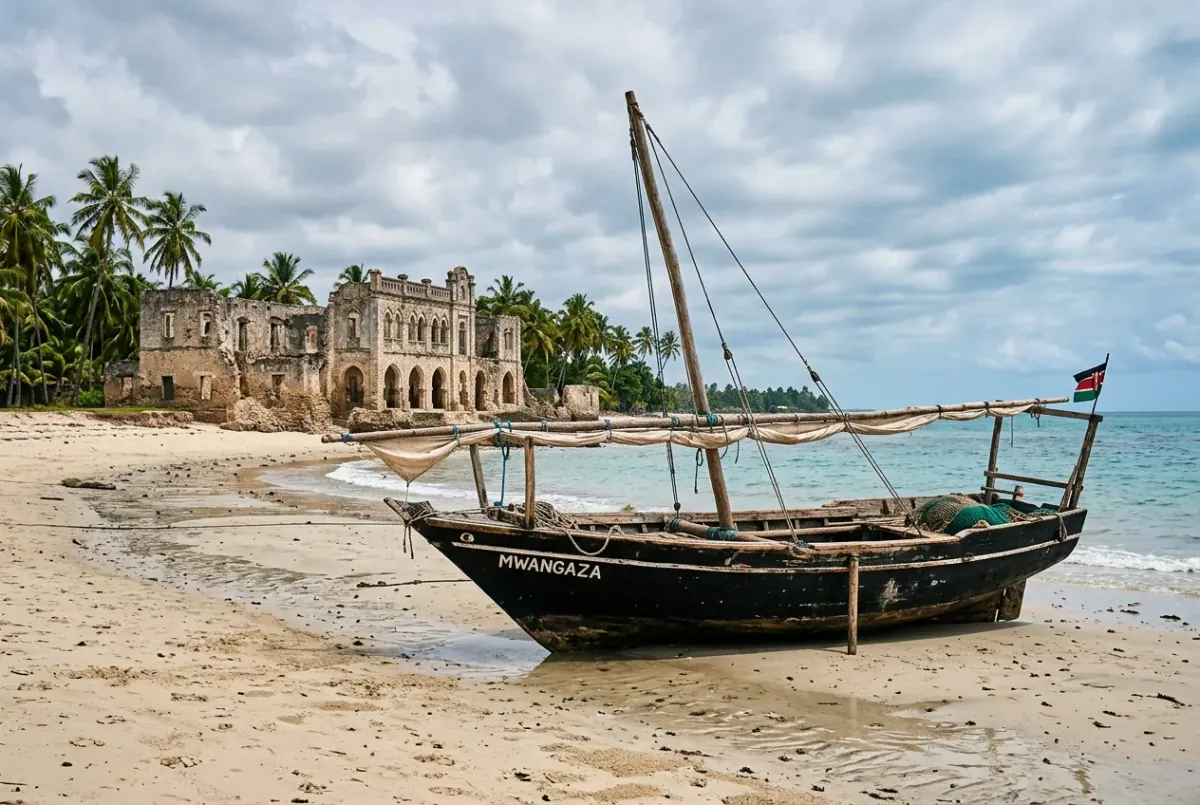
Journey back in time to Bagamoyo, a historical UNESCO World Heritage tentative site, and the ancient Kaole Ruins. Located 75 km north of Dar es Salaam, Bagamoyo was a vital 19th-century trade terminal for ivory and the slave trade, and served as the first capital of German East Africa. Nearby, the 13th-century Kaole Ruins host ancient Shirazi pillar tombs and the oldest standing coral rag mosque in East Africa.
Key facts
- Starting Point
- Dar es Salaam hotel or airport
- Ending Point
- Dar es Salaam hotel or airport
- Optimal Duration
- 8 to 10 Hours
- Difficulty Comfort
- Easy (Flat walking paths)
- Best Season
- Year-round (June to October dry months offer the best walking weather)
- Starts from
- Dar es Salaam
Tour map
This tour covers the Coastal area.
Starts in Dar es Salaam.
Indicative route, not turn-by-turn directions.
Itinerary
Morning Departure (approx. 07:30)
Dar es Salaam Pickup & Drive to Bagamoyo
Your professional private driver picks you up from your Dar es Salaam hotel or airport in a clean, air-conditioned vehicle. Enjoy a scenic 1.5 to 2-hour drive north along the Bagamoyo highway, passing through coastal communities and lush coconut plantations.
Mid-Morning (approx. 09:30)
Ancient Kaole Shirazi Ruins
Step back in time at the Kaole Ruins, situated just south of Bagamoyo town. Accompanied by an expert site guide, walk among the 13th-century coral rag remnants, historic Shirazi pillar tombs, and the oldest standing mosque structure in East Africa. Learn about the ancient trade networks that linked Persia and India with the Swahili coast.
Late Morning (approx. 11:30)
Historic Stone Town & Old Boma
Head into Bagamoyo's historic Stone Town. Visit the Old Fort (Boma), erected in 1897 by the German colonial administration, and see the old customs house, slave market sites, and German colonial cemetery. Walk through narrow alleys lined with Swahili-style carved wooden doors.
Midday (approx. 13:00)
Swahili Seafood Lunch & Beach Dhows
Savor a fresh Swahili-style lunch (grilled seafood, coconut rice, and local spices) at a reputable beachfront restaurant. Afterwards, walk along the coastline to observe local craftsmen carving traditional wooden dhow sailboats by hand using age-old techniques.
Afternoon (approx. 14:30)
Catholic Mission & David Livingstone Museum
Visit the Bagamoyo Catholic Mission, established in 1868. Tour the historic museum detailing the abolition of East African slave trade, and step inside the historic chapel where the famous explorer Dr. David Livingstone's body was kept overnight in 1874 on its final journey back to England.
Late Afternoon (approx. 16:30)
Return Journey to Dar es Salaam
Relax in your private vehicle as your driver begins the comfortable drive back south, arriving at your Dar es Salaam accommodation by early evening.
What's included
- Private round-trip transfers in an air-conditioned vehicle from Dar es Salaam
- Services of an experienced English/Swahili speaking driver-guide
- All entry and conservation fees for Kaole Ruins and local museums
- Services of authorized local site guides at Kaole and historic monuments
- Chilled bottled mineral water throughout the day
What's not included
- Lunch and refreshments (purchased directly at the beachfront restaurant)
- Gratuities and tips for your private driver and local site guides
- Personal items, souvenirs, and travel insurance
Book this tour
Send your dates and pickup point and we will confirm availability.
Book Bagamoyo Historical Tour & Kaole Ruins ExplorationFrequently asked questions
How far is Bagamoyo from Dar es Salaam, and what are the road conditions?
Bagamoyo is approximately 75 kilometers north of Dar es Salaam. The highway is fully paved and in good condition, though driving times (ranging from 1.5 to 2.5 hours) depend heavily on Dar es Salaam city traffic.
Is this tour suitable for families and senior travelers?
Absolutely! The tour is family-friendly and involves gentle walking on mostly flat terrain. We recommend wearing a sun hat, comfortable walking shoes, and keeping hydrated.
Are there active slave trade chambers or cells to view?
Yes, at the Old Fort and the Slave Port area, you will see historical structures that served as holding stations, with informative displays explaining the painful but significant history of the slave route.